

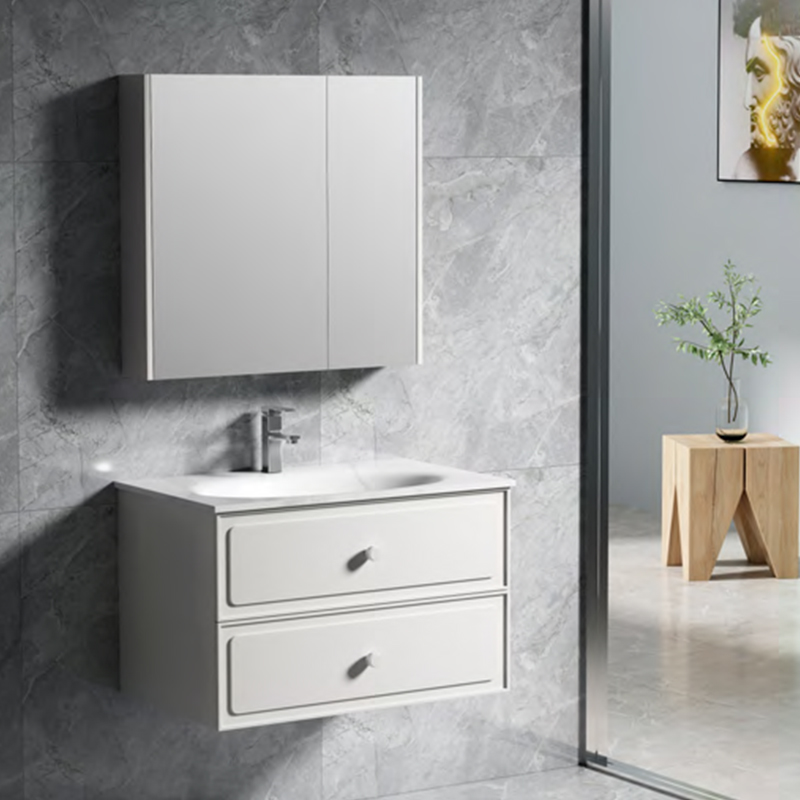
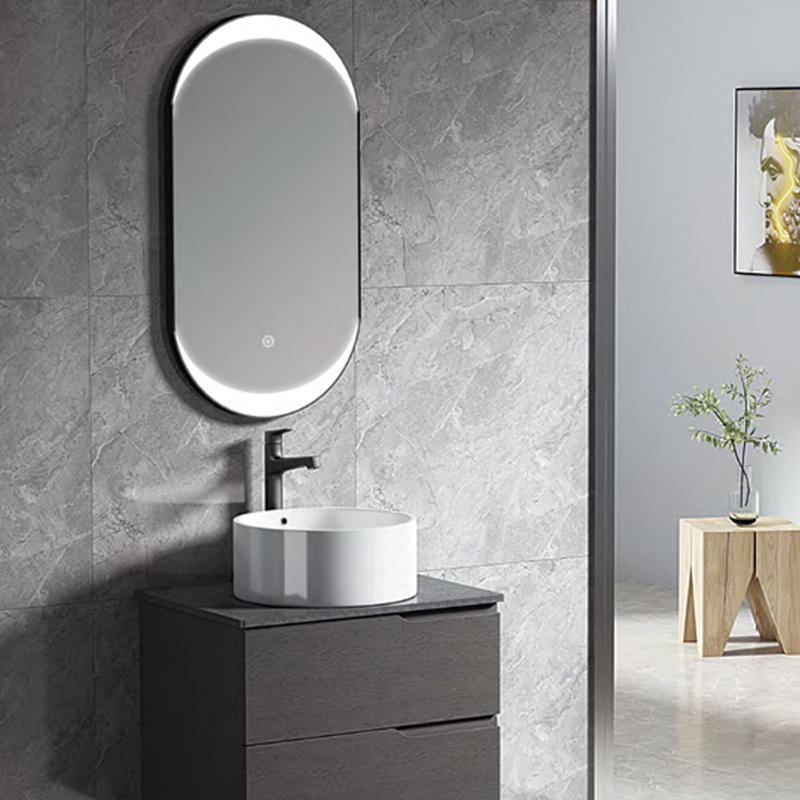
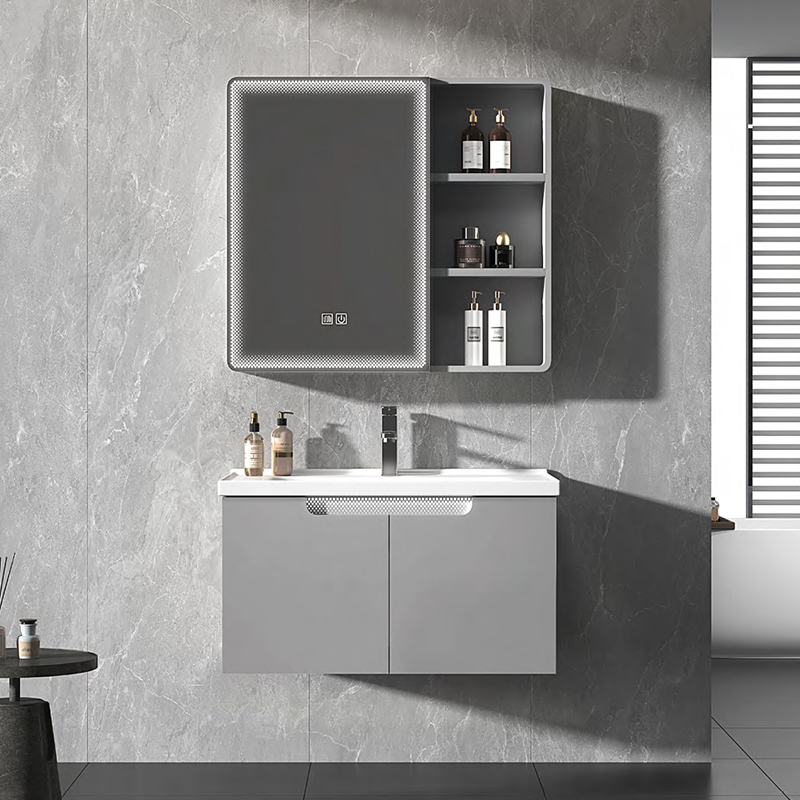
From Steel Plate to Artwork: Nine Stages in Crafting Stainless Steel Bathroom Cabinets
Every stainless steel bathroom cabinet reaching our customers undergoes rigorous precision and durability testing.
At Keshi bathroom sink cabinets and bathroom vanity mirror Intelligent Manufacturing Centre, we execute nine critical stages from stainless steel sheet to finished cabinet. This is no mere assembly line operation, but an unwavering pursuit of zero-defect quality.
First Process: Honest Material Selection
We offer two choices, yet compromise never enters the equation:
304 Stainless Steel – Marine-grade protection. Containing 18% chromium and 8% nickel, it remains steadfast even in the high-salinity environment of Cancún, Mexico. Cabinet bodies utilise ≥1.0mm solid steel plate, with door panels exceeding 1.0mm thickness – a physical guarantee against sagging doors a decade later.
201 Stainless Steel — The Economically Sound Choice. Engineered for dry, inland climates. Paired with powder coating, it withstands 500 hours of salt spray testing. We make no secret of material differences, only ensuring each option receives optimal craftsmanship.
Utilising laser cutting for material preparation, tolerances are controlled to ±0.1mm. This ensures seamless integration between ceramic basins and cabinet bodies during the seventh process.
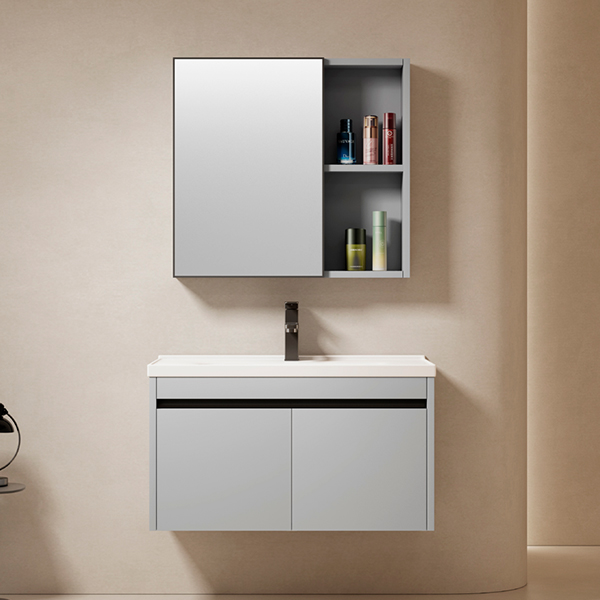
Work process two: The Ingenuity Within the Radius
Our CNC press brakes adhere to the golden standard of R ≥ 1.5mm when forming side panels and shelves.
This seemingly minor curvature determines three outcomes:
Eliminating stress concentration to prevent weld cracking after a decade
Ensuring even powder coating adhesion during spraying, avoiding paint buildup at right angles
Creating no hygiene dead zones during cleaning, allowing effortless wipe-down
The hydraulic press then takes centre stage, stamping out the drawer panel's recesses and integrated handles in a single operation. The weld-free handle design—more than just aesthetics—eliminates a potential corrosion risk point.
Work porcess three Welding
The cabinet frame employs a full-weld construction technique. The weld beads are as fine and dense as fish scales, followed by three stages of grinding: coarse grinding to remove imperfections, fine grinding for levelling, and brushing to unify the grain pattern. This ensures the cabinet remains waterproof for life in humid bathroom environments.
Shelving is secured using a composite process of spot welding and structural adhesive. This precisely controls thermal deformation—the high temperatures of full welding would warp thin panels. Instead, scientifically spaced spot welds combined with industrial-grade structural adhesive guarantee a load capacity of 50kg while maintaining perfect flatness.
Work process four
Upon entering the surface treatment workshop, the 201 substrate gains ‘ocean-grade’ defence capabilities.
Pre-treatment employs zirconium salt chromium-free passivation, representing a compromise between environmental sustainability and performance. This is followed by electrostatic powder coating, with coating thickness controlled between 70-100μm—too thin offers insufficient protection, while excessive thickness risks cracking at bends.
We conduct rigorous cross-cut adhesion testing and 240-hour salt spray testing. Only cabinets achieving ISO grades 0-1 (less than 5% surface loss) with rust propagation ≤1mm at incisions proceed to subsequent stages.
